Elderly Transportation Services: Medical Appointments, Safe, Reliable Elderly Rides
Getting to medical appointments, running errands, and staying socially connected become increasingly challenging as we age. For seniors who no...
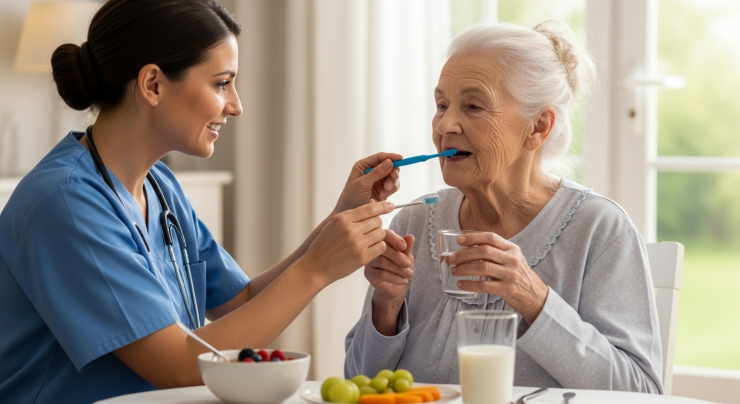
Maintaining personal hygiene and proper nutrition is essential for the health, comfort, and dignity of elderly individuals. As seniors age, daily activities such as bathing, grooming, or eating can become difficult. Professional caregivers play a crucial role in supporting these needs — ensuring that seniors live safely, comfortably, and with confidence every day.
For older adults, good hygiene and proper nutrition are not just about appearance or routine — they directly affect overall health, emotional well-being, and independence.
Preventing Infections: Regular bathing, oral care, and clean clothing help reduce the risk of skin or bacterial infections.
Boosting Comfort and Self-Esteem: Feeling clean and well-groomed enhances confidence and mental health.
Improving Physical Health: Balanced nutrition strengthens the immune system, supports muscle function, and helps manage chronic conditions like diabetes or hypertension.
Professional caregivers provide the support needed to maintain these essential daily routines, adapting care to each senior’s physical condition and medical advice.
Personal hygiene services for the elderly focus on safety, privacy, and dignity. Each step is handled with care, ensuring comfort while minimizing risk.
Bathing can be a high-risk activity for seniors due to slippery floors and mobility issues. Trained caregivers assist with:
Preparing a safe bathing environment (using non-slip mats and stable seating).
Adjusting water temperature for comfort and safety.
Gently washing and rinsing hair, ensuring full hygiene while maintaining privacy.
This service helps seniors stay clean, refreshed, and confident without the fear of accidents or discomfort.
Proper oral care prevents gum disease, infections, and bad breath. Caregivers help with:
Daily brushing and mouth rinsing routines.
Cleaning dentures or dental tools.
Regularly checking for mouth sores or sensitivity.
These small but important steps significantly improve seniors’ comfort and long-term health.
Nails can easily become thick or brittle with age, and neglecting them may lead to pain or infection. Caregivers provide:
Gentle trimming of fingernails and toenails.
Moisturizing and protecting dry or sensitive skin.
Monitoring for any redness or irritation.
Consistent nail and skin care ensure hygiene while maintaining circulation and comfort.
Proper nutrition directly supports healing, energy, and mood stability. For many elderly people, meal preparation or feeding can be challenging — which is why caregivers provide professional meal and feeding support under the guidance of doctors or nutritionists.
Every senior’s diet is different. A professional caregiver follows doctor-prescribed or nutritionist-designed meal plans, which may include:
Low-sodium or low-sugar meals for those with heart disease or diabetes.
Soft or pureed foods for those with chewing or swallowing difficulties.
Balanced, portion-controlled meals with the right nutrients and hydration.
Meals are prepared fresh, using ingredients that match medical requirements while maintaining taste and visual appeal.
Some seniors need extra help during meals, especially those with limited mobility or cognitive challenges. Caregivers provide patient, one-on-one support by:
Ensuring proper sitting posture to reduce choking risk.
Feeding slowly with adaptive utensils and careful observation.
Respecting the individual’s pace and dignity at all times.
Every meal becomes a safe and enjoyable experience rather than a stressful one.
Hydration and calorie intake are closely tracked to maintain health and prevent complications such as dehydration or malnutrition. Caregivers:
Record daily food and fluid intake.
Report any sudden changes in appetite or weight.
Coordinate with healthcare professionals to adjust meal plans when needed.
This level of attention ensures consistent nourishment and supports recovery for those with medical conditions.
Professional caregivers are trained to ensure hygiene and nutrition activities are both safe and efficient.
Key practices include:
Using anti-slip mats, adjustable shower seats, and handrails for bathing safety.
Sanitizing utensils and kitchen surfaces before and after meal preparation.
Maintaining calm, quiet mealtime environments to help seniors focus on eating.
Using adaptive tools like spill-proof cups, feeding spoons, and suction bowls for convenience and comfort.
These practices promote not only safety but also independence and dignity in daily living.
Family members often want to provide the best care possible but may not always have the time, training, or physical ability to do so.
Professional caregivers bring:
Specialized training in elderly hygiene, nutrition, and first aid.
Customized routines based on medical and emotional needs.
Consistent care schedules that reduce anxiety and improve overall well-being.
By entrusting these essential tasks to professionals, families gain peace of mind knowing their loved ones are receiving high-quality, compassionate care.
Elderly hygiene and nutrition care are more than just services — they are acts of compassion that preserve dignity, independence, and health.
Whether it’s assisting with a morning bath, preparing a nutritious lunch, or ensuring proper hydration, these daily routines make a meaningful difference in the lives of seniors and their families.
Post Your Comments